2026-11-11 · Jim Whitaker
Typical Costs for Drying Out Homes in Grand Prairie After Pipe Freezes
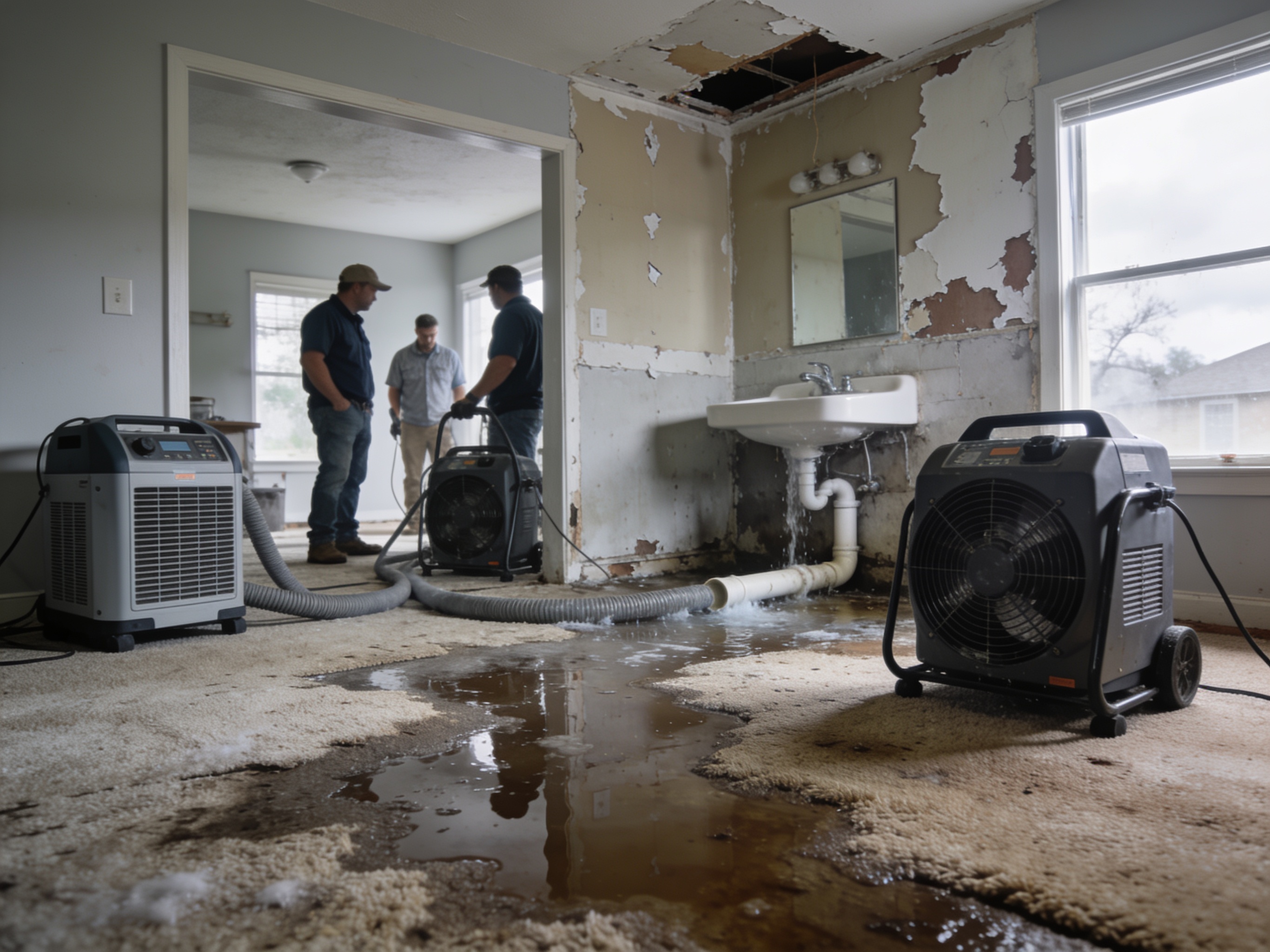
Drying out a home in Grand Prairie after pipe freezes typically costs between $800 and $3,500 based on square footage affected and how far water has migrated into walls or subfloors. Homes in neighborhoods such as Lake Ridge often see higher totals because older plumbing runs through slab foundations common in Dallas County builds from the 1980s and 1990s. Grand Peninsula properties near Lone Star Park face similar risks during rare cold snaps that follow the area's usual mild winters. The process starts with extraction then moves to industrial dehumidifiers and air movers that run for three to five days. Factors like access to Grand Prairie Premium Outlets traffic patterns can even influence response times when crews travel from the 2202 113th St #100 base.
Factors That Influence Drying Costs in Grand Prairie
Local weather patterns play a direct role. Hot summers followed by sudden temperature drops can cause pipes to freeze and burst in uninsulated crawl spaces found in many Lake Ridge homes. Thunderstorms common to the region add humidity that slows evaporation once water is released. Dallas County soil types, which hold moisture longer than sandy soils farther west, mean slab leaks often require longer drying cycles. Home size matters too. A 1,200-square-foot ranch might need only two dehumidifiers while a 2,800-square-foot two-story in Grand Peninsula can require four units plus moisture meters checking behind drywall. Access points also add expense when furniture must be moved around tight hallways typical of 1990s construction.
Average Cost Ranges by Scope of Work
Basic drying for a single-room pipe burst runs $800 to $1,400 when limited to carpet and pad removal. Full-home drying after a main-line freeze in a Lake Ridge property often lands between $2,200 and $3,500 because crews must monitor multiple zones for 72 hours. Adding antimicrobial treatment on affected framing pushes totals to $3,800. These figures cover equipment rental, labor, and daily moisture readings but exclude any reconstruction. Crews based at 2202 113th St #100 operate Monday through Friday 8am to 6pm and Saturday 9am to 2pm, which can affect overtime rates on weekend freezes. Water damage restoration teams track relative humidity daily to confirm levels drop below 50 percent before equipment removal.
How the Drying Process Works on Local Homes
Technicians first locate the freeze point, often near exterior walls in Grand Peninsula homes, then isolate and shut off water. They extract standing water with portable pumps before placing air movers and dehumidifiers in a grid pattern that accounts for the open floor plans common in Dallas County subdivisions. Moisture meters check drywall, baseboards, and subflooring every 24 hours. In Lake Ridge properties built on clay-heavy soil, crews sometimes run equipment an extra day because ground moisture migrates upward. Documentation includes photos and readings that homeowners can share with insurance adjusters. This step-by-step approach prevents hidden mold growth that can appear weeks later in attics or behind cabinets.
When to Call for Professional Help After a Freeze
Homeowners should contact a team as soon as they notice reduced water pressure or ceiling stains. Delaying even 12 hours allows water to wick into insulation and sheetrock, raising total drying costs by 30 to 50 percent. Properties near Grand Prairie Premium Outlets often have finished basements or bonus rooms that trap moisture if not addressed quickly. Water damage repair specialists can assess whether flooring must be removed for proper airflow. Checking attics for hidden moisture after any weather event remains wise, as detailed in related guidance on post-heat-wave inspections. Early intervention keeps most jobs under the $2,500 mark for average Grand Prairie homes.